
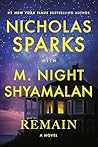




There’s nothing quite like the buzz of getting that email notification: “You’ve been approved for this title.” My inner book goblin does a happy dance every single time! Download, open, and—boom! A shiny new story is waiting for me, hot off the digital press.
Except sometimes… it isn’t.
Sometimes, instead of curling up with a dreamy read, I end up wrestling with an ePub that clearly skipped quality control. Paragraphs decide they don’t believe in spacing anymore. Dialogue lines up like it’s in a conga line. Italics? Vanished into the void. And don’t get me started on random symbols that pop up like digital jump scares.
Cue me, squinting at the screen like a detective trying to crack a secret code.
Welcome to the case of the rogue ePub, starring… Sherlock Dead Girl.
The Reviewer’s Dilemma
Here’s the thing: as an ARC reviewer, you know it’s not the author’s fault. Somewhere out there a beautifully formatted manuscript exists, but what we get sometimes looks like it lost a bar fight with Microsoft Word before landing on our e-readers.
And yet, the story’s still there. It’s just buried under eBook formatting problems that make you question your eyesight and your sanity. Do I push through? Do I email the publisher? Do I just accept my fate as someone who now reads run-on paragraphs for fun?
How I Handle Badly Converted ePubs
After more than a few digital battles, I’ve picked up some survival skills. Consider these my ARC reviewer tips for when your file decides to misbehave:
- Switch devices or apps. What looks like chaos on Kindle often sorts itself out on Apple Books, Kobo, or Adobe Digital Editions. (It’s like book magic, but slightly less impressive.)
- Flag it to the publisher. A quick note on NetGalley or an email does wonders—they’re usually grateful, and sometimes you’ll get a shiny new file that actually makes sense.
- Add a disclaimer in your review. Something like: “The ARC file I received had formatting issues, which may be resolved in the final edition.” Translation: don’t blame the poor author.
- Focus on the story, not the spacing. Unless it’s unreadable, I try to judge the plot, pacing, and writing—because ultimately, that’s what matters.
ARC Reviewer Tips: Key Takeaways
If you find yourself in the same ePub nightmare, here’s your cheat sheet:
- Don’t hold the formatting against the author.
- Try different apps before throwing your Kindle across the room.
- Keep your review transparent with a short note about layout issues.
- Publishers actually want to know—feedback helps.
Final Thoughts
Being an ARC reviewer is a bit like being on a treasure hunt. Some days, you strike gold with a beautifully formatted copy. Other days, you’re squinting through walls of text that look like they were typeset by a caffeinated bear.
But honestly? I wouldn’t change it. Every ARC—messy or perfect—is a chance to discover stories early, support authors, and share my bookish ramblings with the world.
And if I have to decode the occasional “ancient-scroll-disguised-as-an-eBook” along the way, so be it. That’s just part of the adventure.
So, fellow ARC reviewers, how do you cope when a file looks like it fought a war with Microsoft Word? Do you switch devices, squint through the chaos, or just mutter swear words at your screen? 😅
Share your survival tactics in the comments—I promise, we’re all in this formatting apocalypse together!
Leave a Reply